I
Voice
from £350
A clear audio recording of a life story.
- one interview
- cleaned audio recording
- digital delivery for your archive
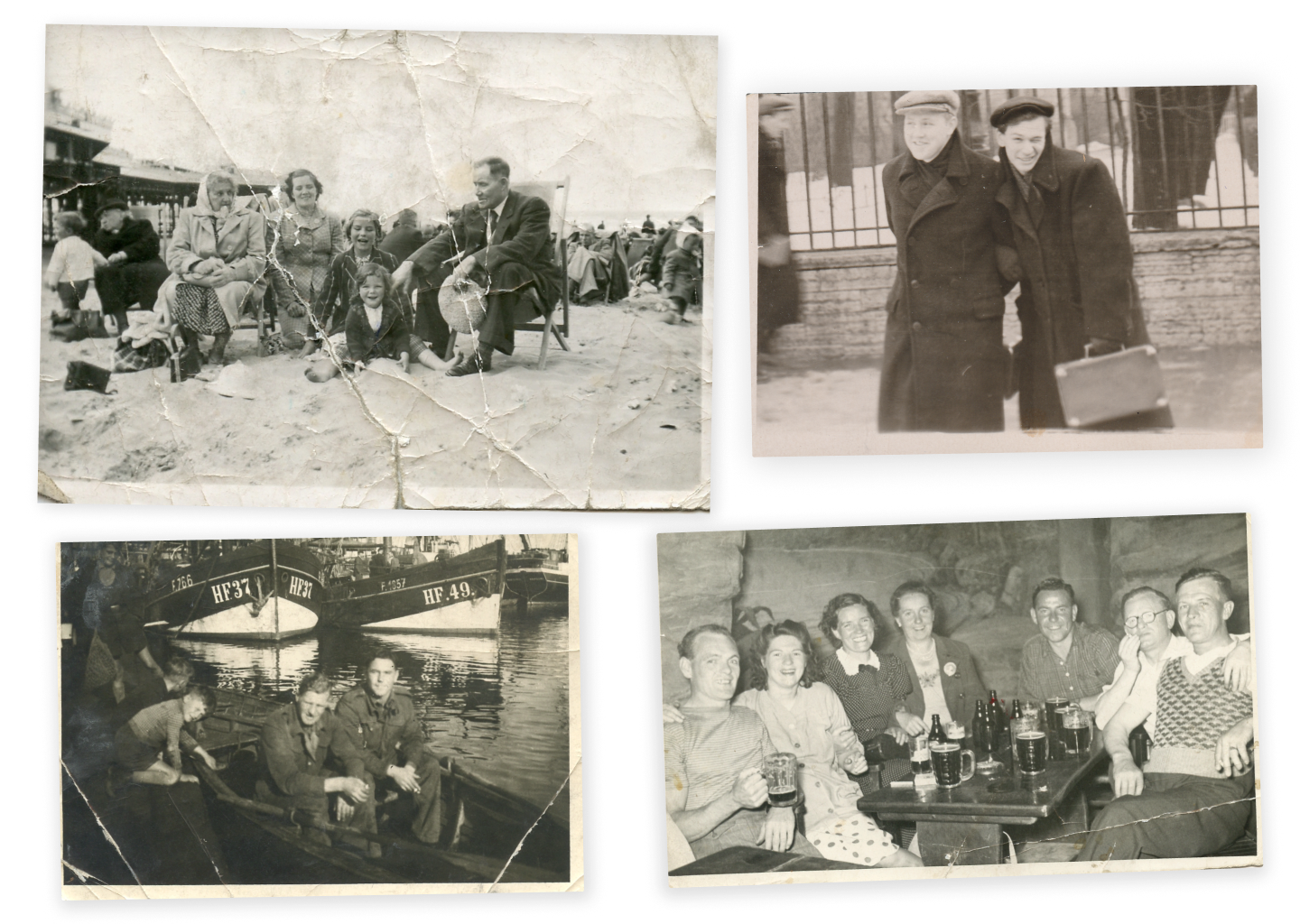
recorded voice · written story · family book
PhD in Social Anthropology. Oral history and memory specialist. Over a decade of life-story interview experience.
What I offerI offer my expertise as an interviewer, researcher and writer to those who want to preserve the life story of a family member, a loved one, or their own.
My expertiseAs an anthropologist and specialist in memory and oral history, I study the ways people remember, forget, narrate and keep silent. From remote mountain villages in the North Caucasus to suburban homes in Silicon Valley, I have interviewed farmers and village elders, politicians and lorry drivers, religious leaders and school teachers.
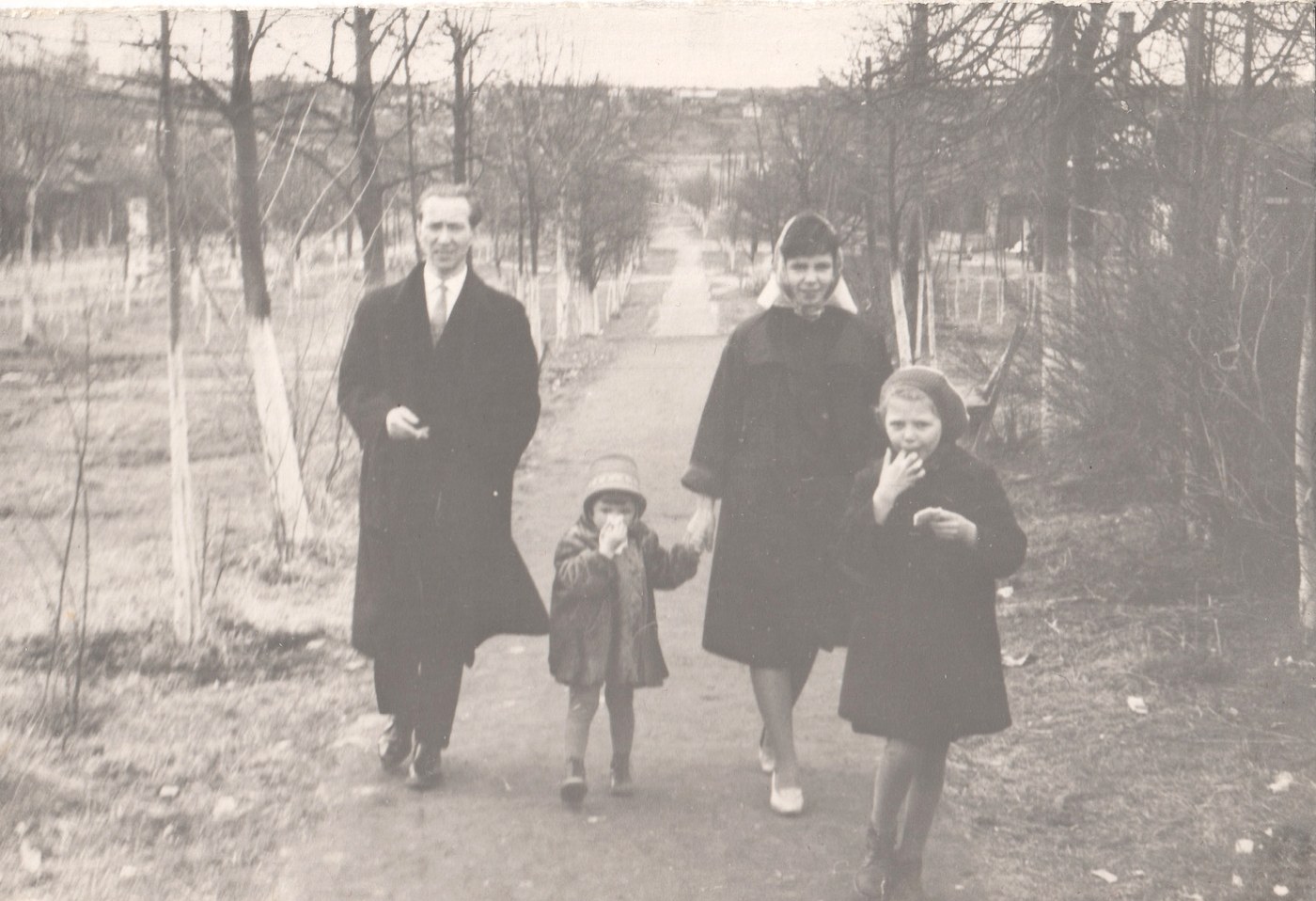
Why I careProfessional credentials aside, the subject is also deeply personal. My son is three and my grandmother is turning ninety-three. If I had not recorded and preserved her story, almost a century of family memories, wisdom and silly jokes would never have reached him. And God knows my son loves silly jokes.
Pre-interview consultation is always free.
We can begin with one recorded interview: a careful, unhurried conversation with someone whose memories you want to preserve. After that, it can remain an audio recording, become a simple written booklet, or be developed into a full professionally printed memoir.
from £350
A clear audio recording of a life story.
from £450
Audio, plus a written record you can read, search and share.
from £900
A written narrative, with audio and written record included.
from £2200
A full life story shaped into a professionally designed and printed memoir.
For larger projects, I work with trusted designers, typesetters, artists, historians and media professionals to create a more bespoke family history: beautifully printed, visually rich and shaped around the person’s own archives, photographs and stories.
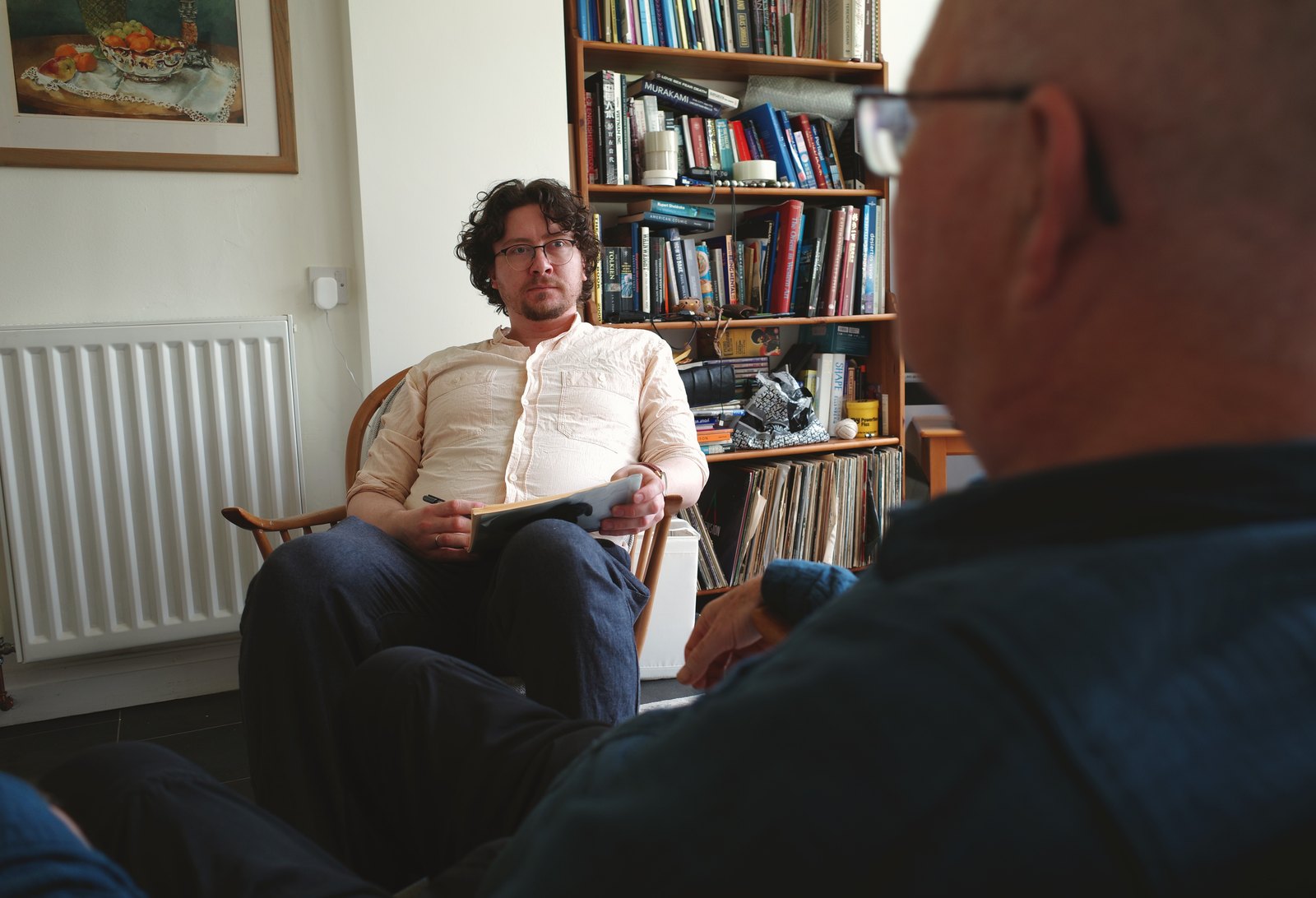
You do not need to prepare a speech or arrive with a perfect life story. The work begins with conversation, then moves slowly from voice to text.
A short consultation to understand the person, family and possible format.
A careful, unhurried conversation. In person where possible, remotely where useful.
The recording is cleaned, organised and turned into a clear written form.
Audio, a written record, a booklet or a private memoir, depending on the project.
A short consultation to understand the person, family and possible format.
A careful, unhurried conversation. In person where possible, remotely where useful.
The recording is cleaned, organised and turned into a clear written form.
Audio, a written record, a booklet or a private memoir, depending on the project.
To be interviewed by Gregory is a wonderful experience and to be listened to so attentively by him is a great gift to the interview subject. Lead by his curiosity and expertise he will walk you through your life and experiences in a natural and relaxing way. I found myself enjoying the experience of being interviewed immensely as I told him about the long forgotten jobs, travels, and unique details of the path my life has taken. He also has the professional expertise to deliver a high quality recording that is sure to become a cherished family record.
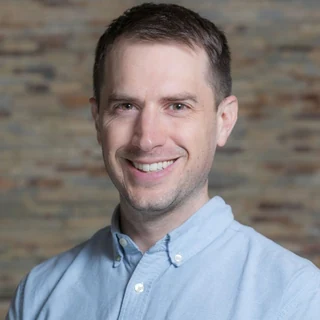
Gregory has a way of getting a person to talk about their innermost thoughts and feelings with the same ease they would tell you about what they had for lunch. Never forceful, his questions nonetheless get one to recount the most minute details of a moment in one's life - the smells, the colours, the feelings experienced all those years ago. At the time, you never feel that being interviewed by Gregory is anything more than a friendly chat with a new acquaintance but looking back at the notes you realise that he helped you discover something long forgotten about yourself, your family, what made you – you.
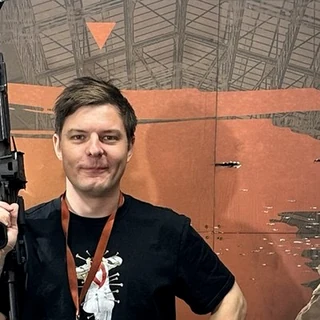
Grigory Grigoryev is a thoughtful and attentive interviewer and skilled storyteller. His deep kindness and willingness to share his own experiences encourages others to share theirs.
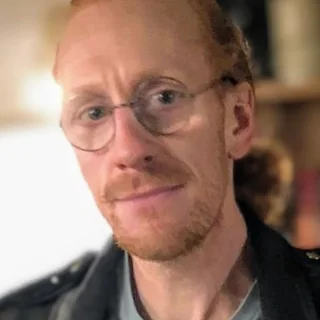
Grigory Grigoryev is both a sensitive and astute interviewer who has a rare talent for fostering authentic dialogue. His respectful approach and openness to challenging his own preconceptions encourage rich, honest conversations. As a writer, he is exceptionally gifted, with a natural flair for storytelling that draws readers in and holds their attention.
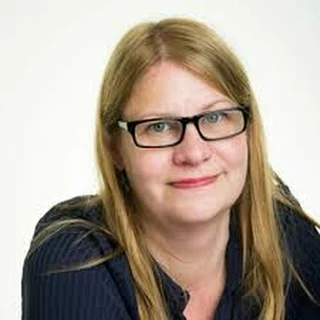
Grigory is a gifted interviewer and writer who brings rare scholarly depth to the art of personal narrative. His work is careful, perceptive, and genuinely worth reading.
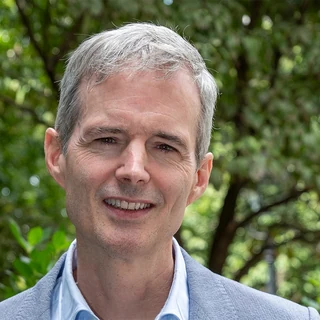
He conducts interviews with both depth and sensitivity, putting his interlocutors at ease. Grigory has a unique ability to guide conversations toward themes and memories whose significance his interviewees themselves often seemed unaware of. Even the most delicate subjects were discussed with him openly and willingly. This is truly a rare gift.
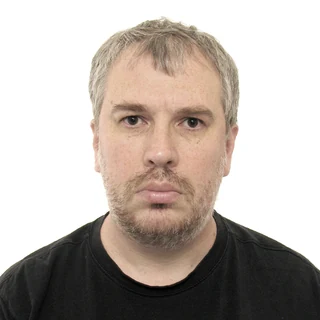
No story is banal, no life is boring.All of my training, work and expertise come down to one skill – not taking people’s lives for granted.
A mountain village in the Caucasus, a suburban community in California and a family home in Wales are utterly different. Yet each is held together by familiar human details: stories of loss and love, loyalties, jokes, rituals, memories, words that are avoided and words said too often.
My work is to notice those details, ask about them carefully, and help turn them into a story. That is where my academic training, fieldwork and TOLD meet: careful attention to those little things that hold a life together.
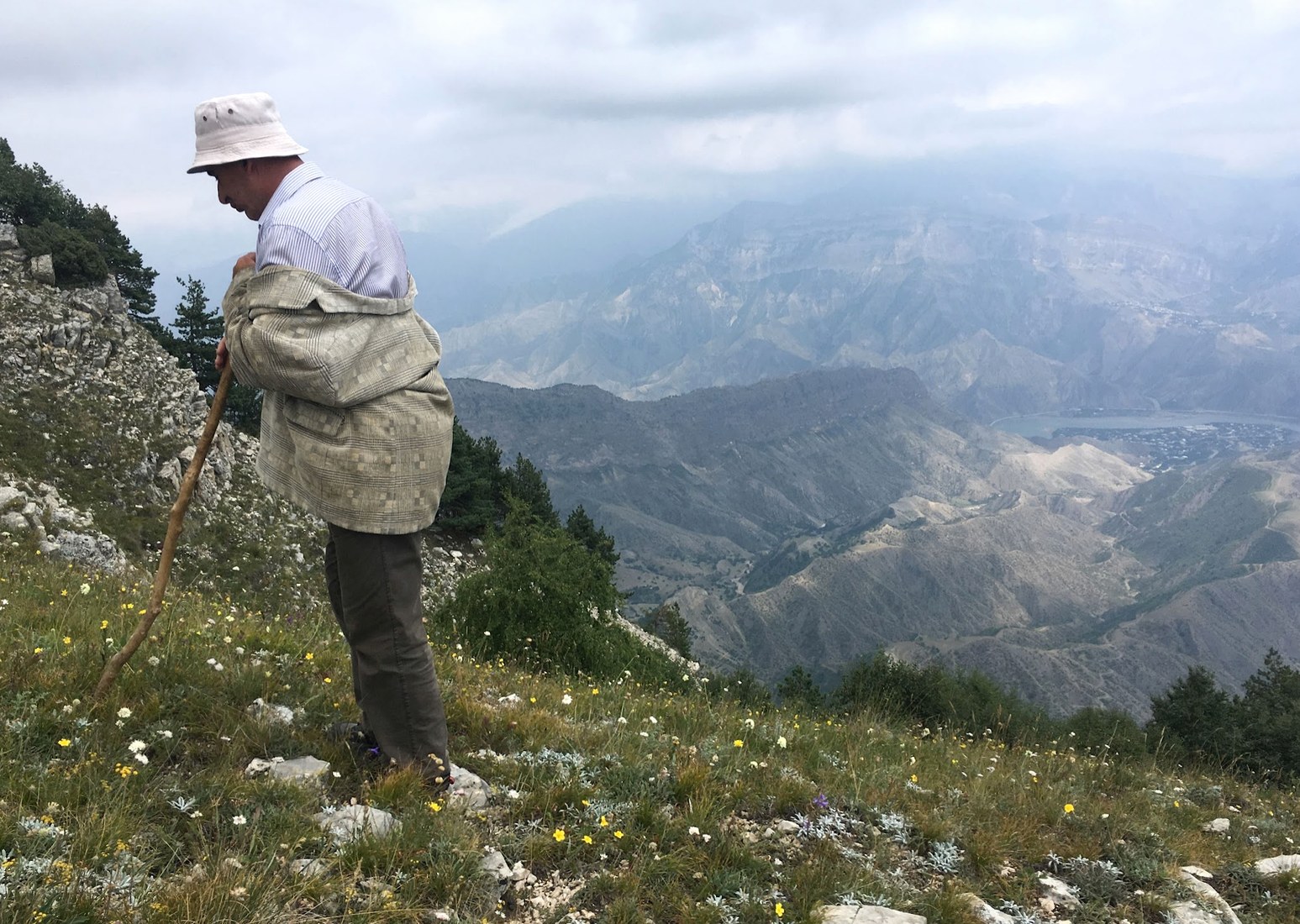
I learned to interview in places where words have consequences.My doctoral research took me to the North Caucasus, a dangerous and complex region caught between ancient customary mores, ethnic and religious rivalries, Soviet nostalgia and economic hardship. Some people I spoke with had survived violence and repression. Most had strong reasons, earned through experience, to trust no outsider and say nothing.
My job was to enter those worlds without forcing them open: to listen before asking, read rooms, respect silences, understand family hierarchies and local codes of respect. To know when to press, when to wait, when to stop, and when not to record at all.
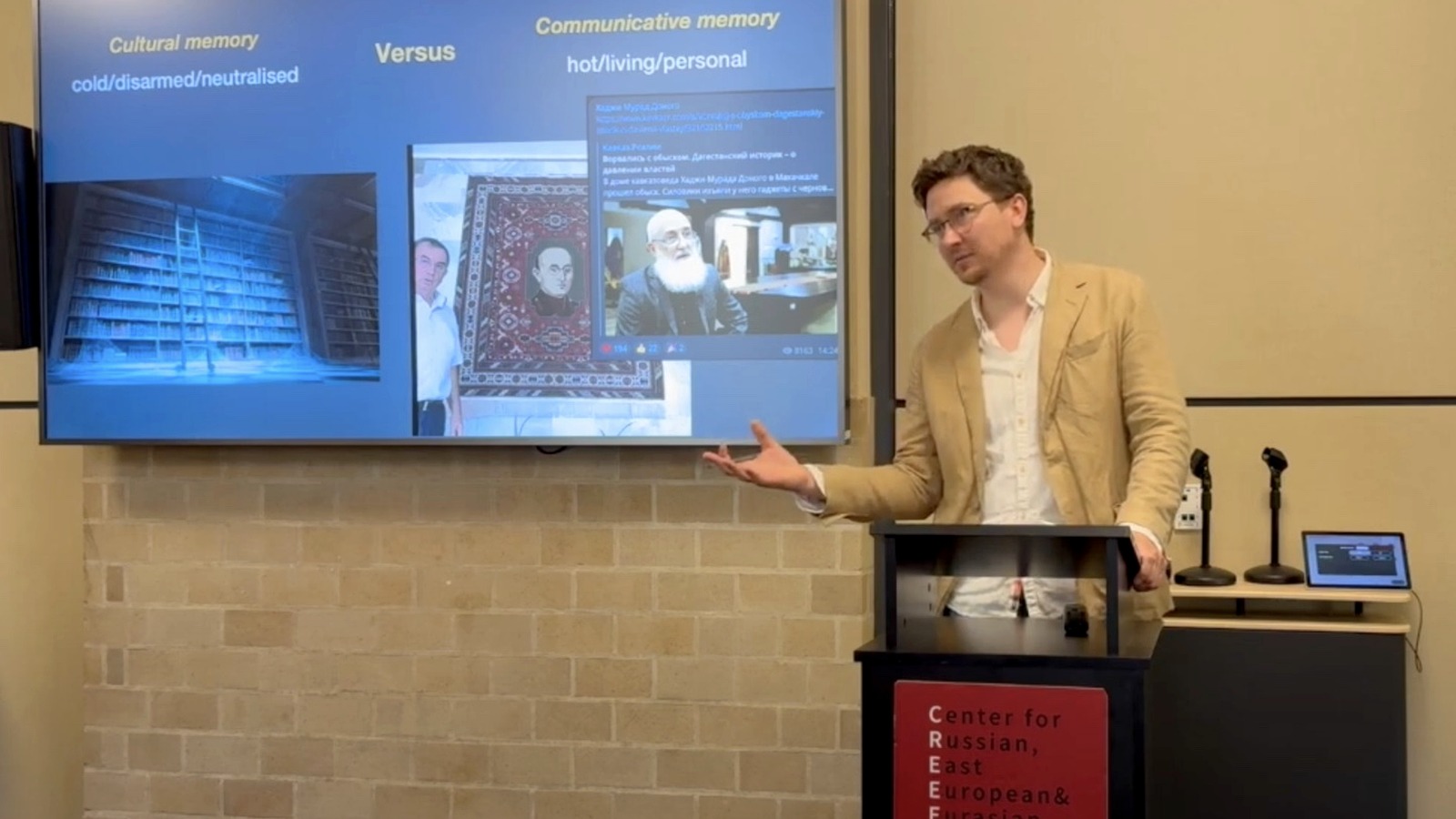
I study how communities remember, what they preserve, what they let go, and why.My writing on the subjects of memory and oral history was tested and recognised by the people best placed to judge it.
I earned my PhD from the University of Helsinki (2024), held research fellowships at Stanford University, the University of Wisconsin-Madison and the Aleksanteri Institute, and gave talks at Cambridge, UCL, Edinburgh, Glasgow and other universities across Europe and the US.
However, whether I found myself in an isolated village 8,000 feet above sea level or on a comfortable campus under the Californian sun, my sole passion was interviewing people – listening and seeing the world through their eyes.
I am wary of the ubiquitous ‘passion’ in commercial copy, but how else to describe it: during my fellowships at Stanford and Madison I went rogue and conducted extensive biographical interviews with neighbours and people I happened to be living with. Not for any academic project. Just because I could not help it.
That is why I created TOLD.A service that brings together my professional expertise and personal inclination, offering you a way to preserve the stories that matter to you and your loved ones.
The first reason is my professional knowledge of how to ask deep, meaningful questions while making the conversation feel calm, natural and alive, even over several hours.
I honed my interviewing skills in isolated villages in the North Caucasus, working with delicate memories and sensitive information. The people I interviewed were cautious and often suspicious. A badly phrased question, a small half-truth, or a lack of respect on my part could end a conversation permanently. Over seventy extensive conversations I have recorded in such a demanding environment is evidence of that skill.
The second reason is the level of care, clarity and faithfulness in my writing. Social anthropology is not built on questionnaires and scientific formulas. The rare material and deep analysis will not get you far if you cannot communicate your ideas in clear, engaging prose. My writing skills were tested not only by peers at Stanford, Cambridge and UCL, but also by audiences and readers who knew nothing about Dagestan or social anthropology.
I have been taught to handle testimony with the care an archaeologist gives to an ancient necklace. And like a professional restorer, I value faithfulness above embellishment. I am not looking for a striking headline or an astonishing revelation, and neither do I place my own prose above the person’s life.
This is where my work differs from many memoir services. Some are warm and well meaning, but offer a polite surface-level chat instead of a careful interview. Others are polished commercial writers, but the finished result can make very different lives sound strangely alike: successful, inspiring, resilient, as if every person were being turned into a LinkedIn profile.
This is for people who want to preserve a story that would otherwise remain scattered in conversation. It might be the life of a parent or grandparent, the story of a marriage or anniversary, or the history of a family business. Or you may simply know there is something worth recording, but not know how to begin.
As a guide, a single two-hour recorded interview with a cleaned audio file and written transcript starts from £350. For many families, one good recorded interview is already a meaningful thing to keep.
A fuller written project usually costs several thousand pounds. Large memoir projects, involving many interviews, research, writing, editing and printing, are quoted individually and can cost substantially more.
You do not need to commit to a large project from the start. The first consultation is free, and we can begin with a small, self-contained piece of work.
A starter project may take a couple of weeks. A fuller life story takes several months, especially if there are several interviews, photographs, documents or family members involved.
We will always discuss and agree on realistic timescale before we begin. As a rule, I would rather work carefully than rush a life story into something thin and generic.
Yes. You do not have to begin with a full book. We can start with one interview, one transcript, or one short written chapter. If it feels right, the project can grow from there.
It can overlap with ghost-writing, but it is not quite the same thing. Ghost-writing usually begins with the aim of producing a book in someone else’s name. My work begins with documentation: careful interviews, attentive listening and a written record shaped from what was actually said.
My training in social anthropology means I was trained to pay close attention not only to what the people say but how they say it. I listen for how a person remembers, what they emphasise, what they hesitate over, and what the story means to them. The aim is to preserve the person’s own story with care for their voice, memory and context.
Yes. Remote interviews by video call or phone are possible. That said, face-to-face interviews are usually better. A person’s home, photographs, objects and surroundings often help memory work. They also give me a fuller sense of the life I am helping to record. I usually prefer to do proper interviews in-person, while follow-up conversations can often be done remotely.
Yes. You can arrange this as a gift for a parent, grandparent, partner or relative. It works better when the person understands the idea and feels respected, not ambushed. I can help you explain it to them in a simple way.
I am not a genealogist in the narrow sense. My main work is oral history: interviewing living people and turning their memories into written form. That said, family trees, documents, photographs and archival records can be included where useful.
That is very common. I would say that two out of three people begin with almost exactly that phrase. Several hours of interview later, Shakespeare and Dickens are not entirely safe.
But jokes aside, people do not love their parents, partners, children or friends just because they are ‘interesting’, do they? They love them because they are theirs.
Of course! Well, for the first couple of minutes that is.
A good interview should never feel like one. Believe it or not, there are no magic questions that good interviewers ask and bad do not. It is not about the questions, it is about the interviewer not standing in your way. My job is to make it so you think, remember and talk naturally.
I once arrived in a village hoping to interview a particular person. I immediately realised that the best approach was not to ask any questions at all. I stayed with the family, lived alongside them for several days, listened, waited, and let the relationship form. Then, one day, the stories began. Not because I had found the perfect question, but because the person was ready to talk. People are different and memory has its own pace.
You do. The finished text is yours and your family’s. You can print it, share it, keep it private, give it to relatives, or pass it down. I do not publish or use your material without permission. If I ever wanted to quote a passage as an example of my work, I would ask first, and you would be free to say no. The interviews, recordings, transcripts and written drafts are treated as private family material.
Yes. I can help turning the existing materials into transcripts, edited story or family booklet.
Yes. Photographs, letters, certificates, diaries, recipes, newspaper cuttings and old documents can all help shape the story. They can be used as prompts in interviews, included in the final book, or organised into a simple family archive.
Social anthropology is about noticing how people make sense of the world. It pays attention to ordinary life: the banal things people usually take for granted, where deeper meanings often sit.
Oral history treats spoken memory as a form in its own right. An interview is neither a casual chat nor written history. Oral narration has its own rhythms: repetition, digression, silence, correction and sudden detail.
Human memory is nothing like a computer file. This is one of the key arguments of memory studies. People remember, misremember, invent, avoid and return. Sometimes silence says as much as speech.
Together, these fields shape my approach. A childhood memory of the smell of a bakery is not the Kennedy assassination, and it is not a scientific fact. You may even place that bakery on the wrong street. But the way you remember and describe it, and the memories and associations it brings to mind, are precisely what I help capture.
You do not need to know exactly what kind of project you want. Send me a few lines, or simply leave your contact details, and I will get back to you.
The first consultation is free.
Prefer to write directly?
Email contact@toldkept.com
Call 07851 116343.
Based in Swansea, South Wales. Available locally, remotely and across the UK by arrangement.